Approach
A Thoughtful, Tailored Process
While every family's situation is unique, the approach draws on decades of experience and proven frameworks to guide families through the process of establishing effective governance.
Philosophy
The approach is grounded in the belief that families are capable of solving their own problems when given the right framework, education, and facilitation support. The role of the advisor is not to tell the family what to do, but to help them develop the capacity to make decisions together.
Family governance is a process, not a product. It requires patience, trust, and a willingness to engage in honest conversations about the future. The best outcomes emerge when the family takes ownership of the process and the advisor serves as a guide and facilitator.
The Process
Listen & Understand
Every engagement begins with confidential interviews to understand the family's history, dynamics, concerns, and aspirations. This forms the foundation for all subsequent work.
Educate & Align
Family members are introduced to governance concepts and best practices, helping them develop a shared language and understanding of what is possible.
Facilitate & Build
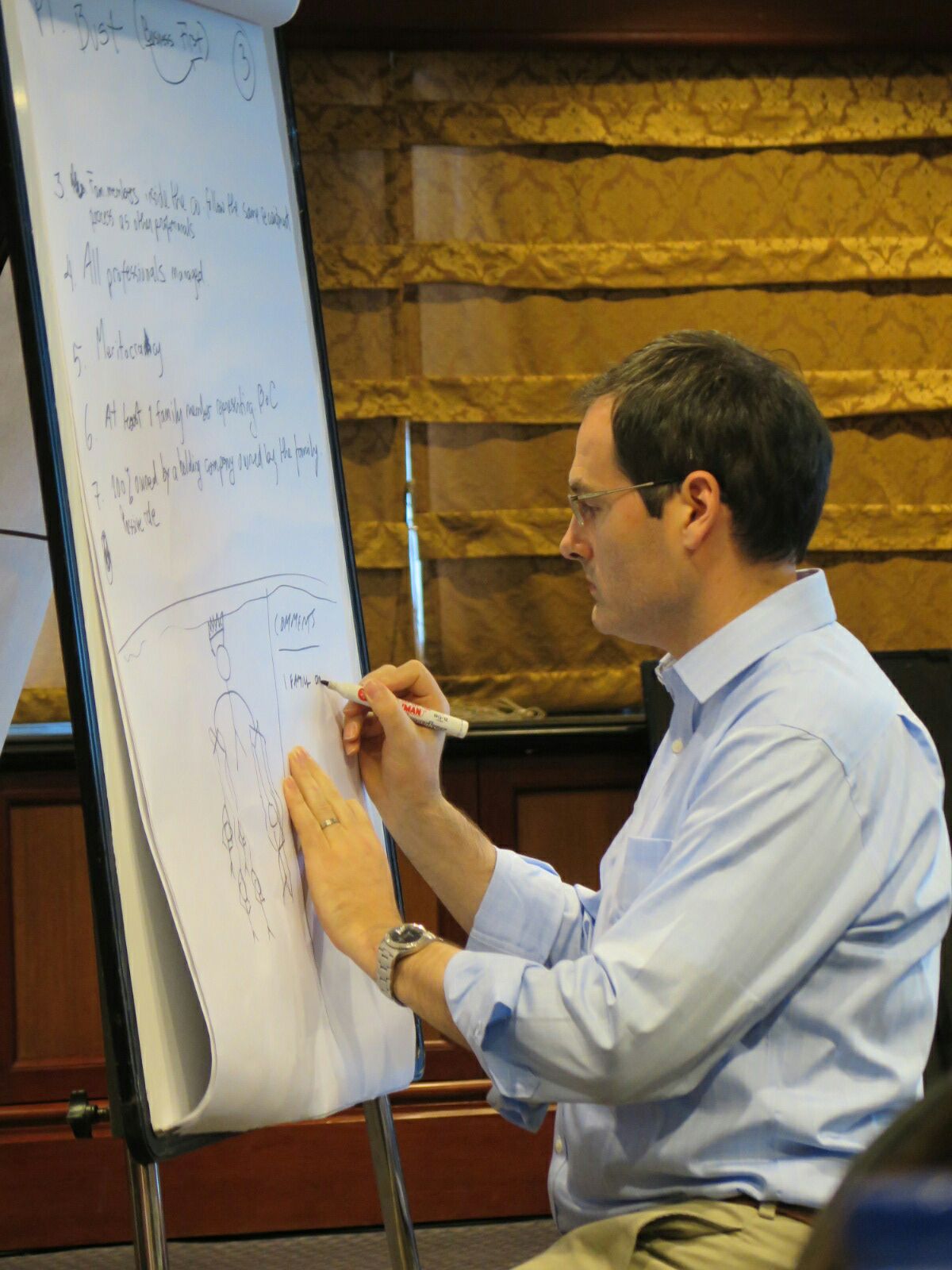
Through facilitated family meetings, the family works together to create their own governance structures — family councils, constitutions, and policies that reflect their unique values.
Sustain & Evolve
Governance is not a one-time event. Ongoing support helps families maintain their governance practices and adapt them as the family and business evolve.
Frameworks
Tools & Models
The advisory work draws on established models and frameworks from the field of family enterprise consulting, adapted for the Asian context.
The Three-Circle Model
A foundational framework for understanding the overlapping systems of Family, Business, and Ownership. This model helps family members understand the different roles and perspectives within the family enterprise system. Today there is an increasing recognition of the important need to see the Three Circles for any family enterprise as nested within other broader systems e.g. Community, Region, Country, World & Planet.
The Five Capitals Model of James E. Hughes Jr.
A holistic framework that looks beyond financial capital to include Human Capital, Intellectual Capital, Social Capital, and Spiritual Capital — recognizing that true family wealth encompasses far more than money. It is important for families to develop their own definition of the meaning of family wealth. Some families have extended the original Five Capitals Model so as to add e.g. Nature Capital, as a 6th form of Capital.
The Developmental Model of Family Business
Understanding where the family, the business, and the ownership are in their respective life cycles helps families anticipate challenges and plan for transitions. Research into Asian family firms specifically points to the critical importance of developing engaged informed family ownership, of ownership being more important than management.
The Family Constitution Framework
A structured approach to developing the family's own 'rules of the road' — articulating philosophy, principles, and policies that balance the welfare of family, owners, and the business. However there is no one size fits all approach. Our goal is that if a family create a family constitution that it is enacted, that it becomes real for the family. Sometimes a constitution represents a change to the way the family work together. In that case there will be questions about stages of change and whether there are competing commitments blocking the change.
The Four Room Model of Josh Baron & Rob Lachenauer
It is helpful to think of a family enterprise system as being made up of a family room, an owners room, a board room, and a management room. Each room is important, each has its own unique function, approach to decision making, and rules of entry. Each has its own stages of development. This helpful model needs adaptation e.g. where ownership is held through a trust or where there are multiple boards.
Fair Process in Decision Making
Fair process is an important concept in creating a governance system and a good family governance system institutionalizes fair process in decision making. The concept of fair process in decision making offers a pathway to results that can be accepted as fair in each of the family, the ownership and the business.
Assessments to Deepen Self & Collective Knowledge
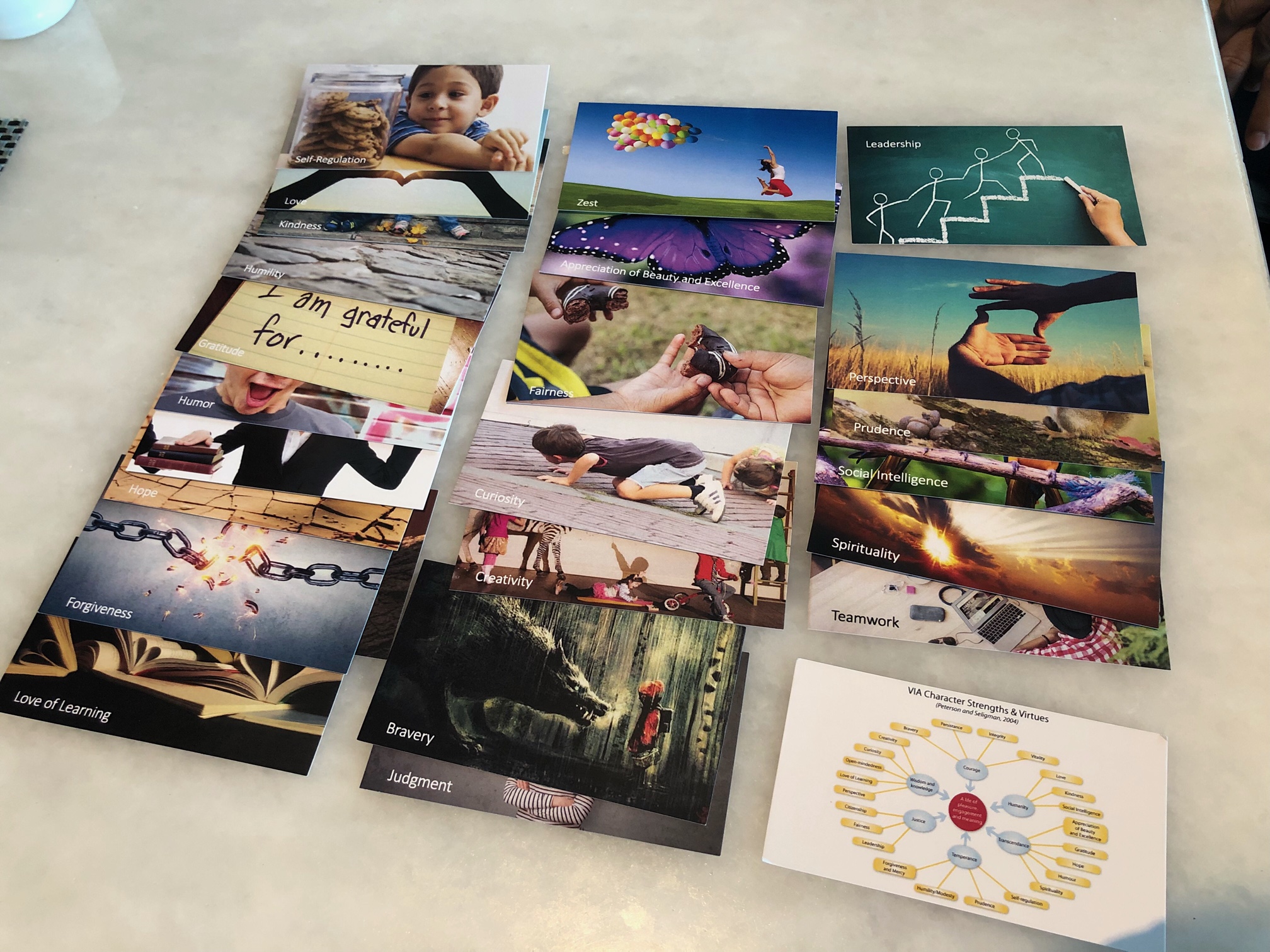
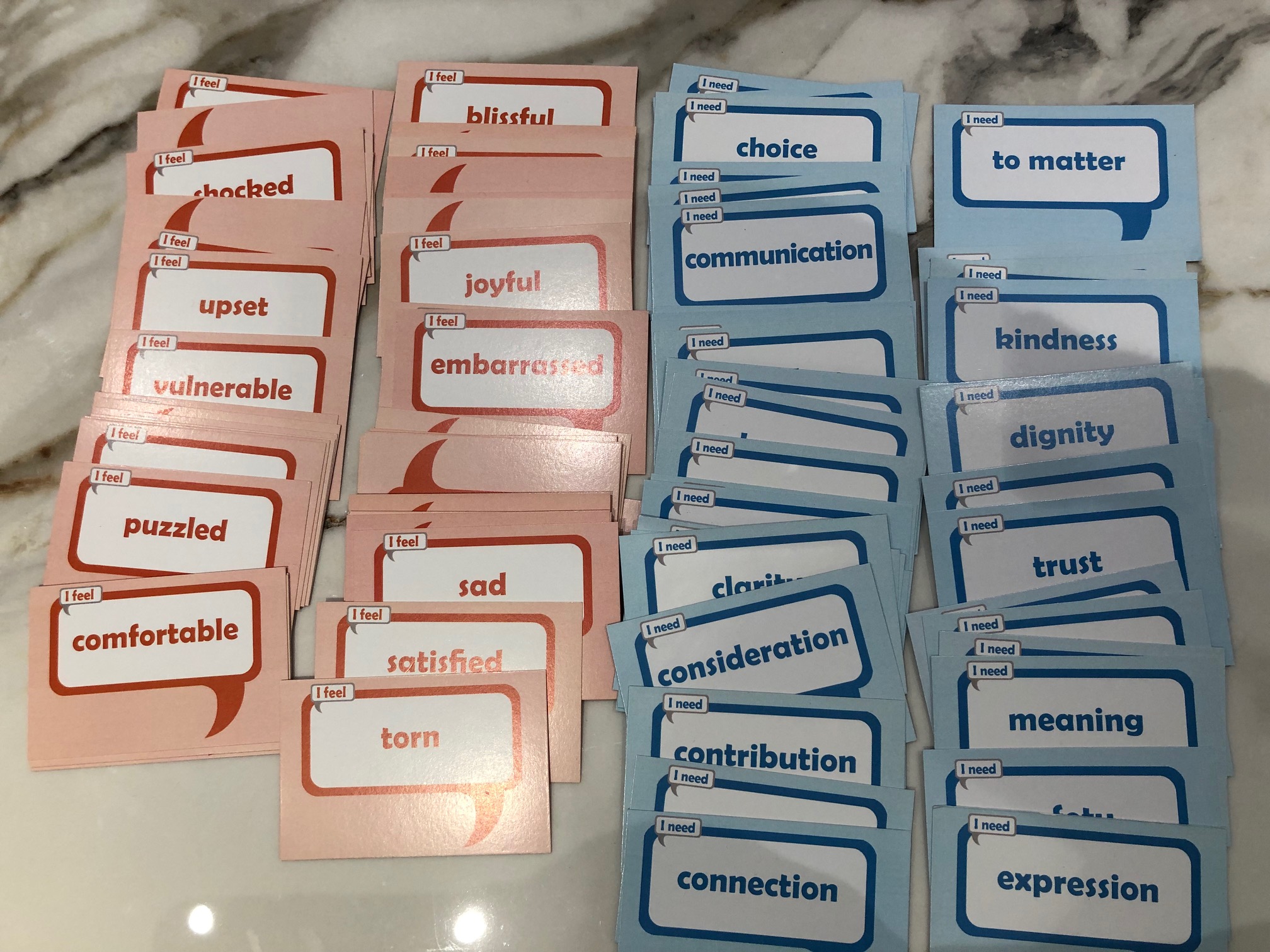
In successful families, it is important for individuals to know what their personality type is, how they learn, how they like to work in groups, their strengths and values, their purpose or vocation and how they deal with conflict. Knowing yourself is an important first step before moving on to knowing your own values and vision, and before the group moves on to collective values and vision.
Polarity Management & Polarity Maps
A polarity arises where two seemingly incompatible drives have to be balanced and coexist. Family enterprises and families with significant financial capital always have multiple polarities to manage, not to resolve. Polarity Maps developed by Barry Johnson are a very helpful practical tool for enterprising families to learn and engage with.
The Generative Family Model
Dennis Jaffe Ph.D. in Borrowed from your Grandchildren, The Evolution of 100 Year Family Enterprises, notes that in such families the first generation creates a great business and the second generation creates a great family or a Generative Family. Jaffe describes 6 core qualities of such a family. Jay Hughes says the key to becoming a successful 5th generation family is to cultivate a Family of Affinity. John Davis of MIT says the foundation for family business success starts with a united, contributing family.
The Learning Family
Families that are successful over generations are Learning Families. Learning Families are continually working on enhancing their effectiveness at working together & making decisions together. One example of a Learning Family practice is the After Action Review. A practice of regular feedback is another. Families can learn from the Learning Organization framework offered by Peter Senge, the work of Robert Kegan & Lisa Lahey, and the Developmental Family framework of Matthew Wesley.